

Peruvian cuisine has spent years building an international reputation that few Latin American culinary traditions can match. By 2026, Lima is firmly established as one of the world’s major food cities, while dishes that were once mainly associated with local markets, family kitchens and neighborhood restaurants have become global references.
That international attention has not separated Peruvian food from its roots. Its strength still comes from an extraordinary geography. The Pacific coast provides fish and seafood, the Andes supply potatoes, corn and quinoa, while the Amazon contributes fruits, herbs and ingredients rarely found elsewhere.
Peru’s cuisine also reflects centuries of migration and cultural exchange. Indigenous traditions coexist with Spanish, African, Chinese and Japanese influences, creating styles such as chifa and Nikkei cuisine that today form an essential part of the country’s culinary identity.
Lima’s fine-dining scene has helped push that story onto the global stage. Central reached No. 1 in The World’s 50 Best Restaurants in 2023, while Maido was named the world’s best restaurant in 2025. In November 2026, Lima will also host The World’s 50 Best Restaurants awards, another sign of the city’s growing influence on international gastronomy.
Yet some of the most memorable meals in Peru still come from cevicherías, markets, sangucherías and street stalls. These eight foods offer a good place to start.
CEBICHE
Few dishes are as closely associated with Peru as cebiche.
Fresh fish is cut into pieces and seasoned with lime juice, salt and ají, usually accompanied by red onion, sweet potato, corn and cancha, the crunchy toasted corn found across the country. Regional versions vary considerably depending on local ingredients and traditions.
The dish received one of its most important international recognitions in December 2023, when UNESCO inscribed the practices and meanings associated with the preparation and consumption of Peruvian ceviche on its Representative List of the Intangible Cultural Heritage of Humanity. It became Peru’s first culinary tradition to receive that distinction.
The recognition goes beyond the recipe itself. UNESCO emphasizes the chain of knowledge surrounding ceviche, including artisanal fishing, agriculture, local ingredients and traditions passed between generations.
One detail travelers should remember is that good ceviche is generally prepared and served immediately rather than leaving the fish marinating for hours. The acidity changes the texture quickly, so freshness is central to the dish.
Where to try it: Lima has countless cevicherías, from neighborhood favorites to restaurants such as La Mar. Coastal cities including Piura, Trujillo and Arequipa offer their own interpretations, making ceviche worth trying more than once during a trip.
ANTICUCHOS
Anticuchos remain one of the great classics of Peruvian street food.
The most traditional version uses beef heart, cut into pieces and marinated with ingredients that commonly include ají panca, garlic, cumin and vinegar. The meat is threaded onto skewers and grilled over high heat, producing a smoky exterior while remaining tender inside.
They are usually served with potatoes and corn and can be found at restaurants, markets, food fairs and street stands.
Anticuchos also reflect the African influence on Peruvian cuisine. Their modern form developed during the colonial era, when Afro-Peruvian cooks transformed cuts of meat that were often considered less desirable into dishes that eventually became part of the national food culture.
Where to try it: La Tía Grimanesa in Miraflores remains one of Lima’s best-known anticucho specialists. Small anticucherías around the capital can offer equally memorable versions.
NIKKEI CUISINE
Peru’s Japanese community has had an enormous influence on the country’s modern food culture.
Japanese migration to Peru began in significant numbers at the end of the 19th century. Over time, Japanese culinary techniques encountered Peruvian seafood, ajíes, citrus and other local ingredients. The result became known as Nikkei cuisine.
One of its best-known dishes is tiradito. Thinly sliced raw fish recalls Japanese sashimi, while sauces based on lime and Peruvian peppers connect the dish directly to local flavors. Other combinations frequently incorporate octopus, tuna, scallops and seafood alongside ingredients such as rocoto, ají amarillo and huacatay.
The international status of Nikkei cuisine has changed. Chef Mitsuharu “Micha” Tsumura’s Maido in Lima was named The World’s Best Restaurant 2025, placing the Peruvian-Japanese tradition at the center of global gastronomy.
For travelers, however, Nikkei food does not have to mean an elaborate tasting menu. Lima has everything from sophisticated restaurants to more informal sushi and seafood spots influenced by the same culinary tradition.
Where to try it: Maido remains the obvious reference for contemporary Nikkei cuisine, although reservations can be difficult and the experience is expensive. Lima offers many more accessible alternatives.
QUINOA
Long before quinoa became a fashionable ingredient in health-conscious kitchens around the world, it was part of everyday life in the Andes.
Cultivated in the region for thousands of years, quinoa remains especially important in highland communities. Its ability to grow in demanding conditions has helped make it a valuable crop in areas where altitude and climate limit other forms of agriculture.
Its versatility explains why travelers may encounter it in very different dishes. Quinoa appears in soups, stews, salads, tamales and contemporary restaurant preparations, while some cooks use it instead of rice or incorporate it into desserts.
Peruvian gastronomy increasingly presents quinoa alongside other native grains and crops rather than treating it simply as an imported-style “superfood.” That context makes trying it in Peru quite different from eating a quinoa salad elsewhere.
Where to try it: Cusco and other Andean destinations are ideal places to sample traditional quinoa soups and stews, while Lima restaurants increasingly use the grain in modern interpretations of Peruvian cuisine.
SANGUCHE DE CHICHARRON
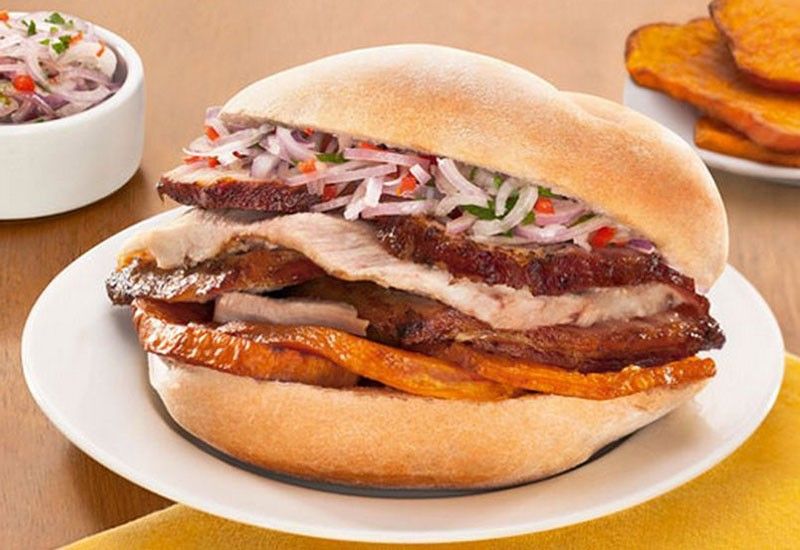
Breakfast in Peru can be a serious meal, and few options demonstrate that better than a sánguche de chicharrón.
The sandwich combines pork with bread, sweet potato and salsa criolla, usually made with red onion, lime and ají. The contrast between crisp pork, soft bread, sweet potato and the acidity of the onions explains its enduring popularity.
Recipes vary between sangucherías. Some cooks simmer the pork before frying it; others have their own techniques for achieving the combination of tender meat and crisp exterior that regular customers expect.
The sandwich is strongly associated with breakfast, particularly on weekends, although it is eaten throughout the day.
Where to try it: El Chinito remains one of Lima’s classic destinations. Founded in 1960, the business has expanded considerably and in 2026 operates numerous locations across the city, while maintaining the chicharrón sandwich as one of its signature offerings.
CUY CHACTADO
For travelers unfamiliar with Andean food traditions, cuy can be one of Peru’s most unexpected dishes.
Guinea pig has been raised as food in the Andes since long before the Inca Empire and remains part of traditional cuisine in several regions of Peru, particularly around Cusco and Arequipa.
Preparation varies. Cuy chactado is flattened and fried until the skin becomes crisp, while other versions are roasted or cooked with regional sauces and spices. It is commonly served with potatoes, corn or other Andean staples.
Its cultural context is important. In many Andean communities, cuy is connected with celebrations, family gatherings and local agricultural traditions rather than functioning simply as an unusual dish for tourists.
Where to try it: Cusco and Arequipa offer some of the country’s strongest traditions. Travelers interested in trying cuy are generally better served by regional restaurants specializing in Andean cuisine than by treating it merely as a culinary novelty.
CAUSA RELLENA
Peru’s relationship with the potato goes far beyond french fries.
The Andes are one of the historic centers of potato domestication, and Peruvian cooking uses an enormous diversity of varieties. Causa is among the dishes that best demonstrate how something as simple as mashed potato can develop a very distinctive identity.
Yellow potato is typically seasoned with lime and ají amarillo until smooth, then layered with fillings that may include chicken, tuna, avocado or seafood. It is served cold and often appears as a starter.
Modern restaurants have produced increasingly elaborate versions, but causa remains fundamentally a familiar Peruvian dish found in homes and traditional restaurants across the country.
Seafood causas are particularly common in Lima, where they often appear alongside ceviche and other coastal dishes.
Where to try it: La Mar in Miraflores remains a strong option for visitors interested in seeing how classic coastal dishes such as causa and ceviche are presented in a contemporary restaurant setting.
PICARONES
Picarones show another side of Peru’s culinary history.
These ring-shaped fritters resemble doughnuts at first glance, but their flavor and texture come from ingredients deeply rooted in Peruvian cooking. Traditional recipes use sweet potato and squash in the dough, which is fried until crisp outside while remaining airy inside.
They are usually covered with chancaca syrup, made from unrefined cane sugar and commonly flavored with spices and citrus.
Picarones developed during Peru’s colonial period, combining Indigenous ingredients with techniques and culinary influences introduced after the Spanish conquest. Over time, they became one of the country’s most recognizable desserts and street foods.
The best versions are usually eaten immediately after frying.
Where to try it: Lima’s traditional neighborhoods remain excellent places to find picarones. Barranco is particularly associated with street vendors and small establishments selling them fresh, especially around the area near the Puente de los Suspiros.
Peruvian food is simultaneously global and intensely regional. Lima may attract international attention through restaurants such as Maido and Central, but understanding the cuisine requires looking beyond the rankings. Ceviche prepared near a fishing community in Piura, cuy served in the Andes or a chicharrón sandwich eaten for breakfast reveal different parts of the same culinary landscape.
That diversity remains one of the strongest reasons to travel through Peru hungry.
Photo of the portrait: Depositphotos




Trackbacks/Pingbacks