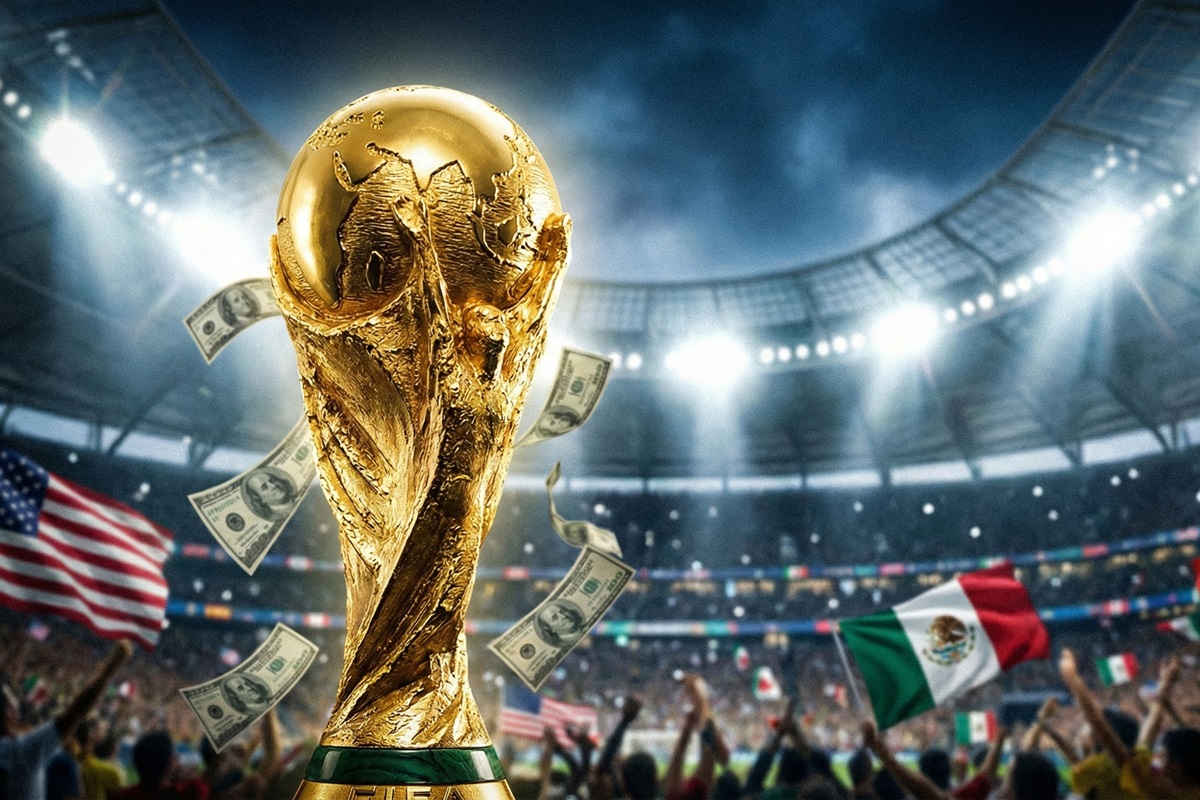
The 2026 tournament has not kicked off, yet the mood around FIFA World Cup 2026 is already uneasy. First came record-high ticket prices. Then hotel rates jumped overnight. Now, in the New York–New Jersey host region, fans are being asked to pay just to walk into an official fan park and watch matches on a big screen.
For the first time in World Cup history, access to a FIFA-branded Fan Festival is no longer free.
The decision to charge entry at the Fan Festival in New Jersey is being framed as a small, almost symbolic fee. In reality, it represents something larger and more troubling. A shift in philosophy. A quiet but meaningful step away from the idea of the World Cup as a shared public celebration.
A line that had never been crossed
FIFA fan festivals have always played a specific role in World Cups. They were the equaliser. The space for fans priced out of stadium tickets. A place where the atmosphere mattered more than the seat number.
In New York–New Jersey, that tradition has been broken. Tickets priced at $12.50 are now required to enter the Fan Festival at Liberty State Park, even for matches played outside the United States. Early-bird pricing strongly suggests this is only the floor, not the ceiling .
FIFA and local organisers insist the charge is “nominal.” They argue it helps manage capacity, improve safety and deliver a higher-quality experience. On paper, that sounds reasonable. In context, it does not.
The context FIFA prefers not to discuss
This decision does not exist in isolation. It lands in the middle of a broader pricing storm surrounding the 2026 tournament.
Match tickets have reached historic highs. Dynamic pricing has pushed some seats beyond the reach of ordinary supporters. A newly announced $60 “supporter ticket” category applies to a tiny fraction of seats, more symbolic than transformative.
Against that backdrop, charging for fan zones feels less like logistics and more like policy. One more layer in a tournament increasingly designed around revenue optimisation rather than inclusion.
For fans who cannot afford stadium tickets, the message is blunt. Even the alternative now comes with a price tag.
What exactly are fans paying for?
The Fan Festival is being marketed as an entertainment destination rather than a public viewing area. Live screenings, concerts, celebrity appearances, interactive experiences. A packaged product rather than an open civic space.
That framing matters. It explains the logic behind the fee, but it also exposes the problem. The World Cup’s cultural power was built on accessibility, not exclusivity. On the idea that football spills into streets, parks and plazas without a turnstile at the gate.
Once entry is monetised, the tone changes. The festival becomes another controlled environment. Another ticketed experience. Another filter deciding who gets in and who stays out.
A dangerous precedent
FIFA has stressed that the decision was taken by the local host committee, not imposed globally. That distinction offers little comfort.
The Fan Festival is trademarked, branded and promoted by FIFA. What happens in New York–New Jersey will be watched closely by other host cities across the United States, Canada and Mexico. Precedents, once set, rarely remain isolated.
If paid entry becomes normalised, fan parks risk losing their original purpose. They stop being communal spaces and start resembling secondary venues, complete with pricing strategies and revenue targets.
Political pushback, public frustration
Criticism has not been limited to supporter groups. New York mayor-elect Zohran Mamdani publicly condemned FIFA’s broader ticketing approach, calling out the imbalance between soaring prices and token affordability measures.
On social media, the reaction has been sharper, less diplomatic. Fans point out the contradiction with painful clarity. Stadium tickets are priced beyond reach, pushing supporters toward fan zones, which now also charge for entry.
The logic loops back on itself. The more expensive the World Cup becomes, the fewer genuinely public spaces remain.
The bigger risk for FIFA
FIFA often speaks about legacy. About bringing the game closer to communities. About inspiring new generations.
Charging to enter a fan park undermines that narrative. It may generate modest revenue or help with crowd control, but the reputational cost is higher. Football’s global appeal has always rested on a simple promise. You do not need money to belong.
The 2026 World Cup is on track to be the most profitable in history. Prize money has increased. Commercial partnerships are booming. Against those figures, asking fans to pay to stand in a park feels less like necessity and more like choice.
A choice that still can be reversed
There is time. Nearly two years, in fact.
FIFA and host committees could reconsider. They could preserve free access for match screenings while monetising add-ons. They could recognise that some lines matter more than spreadsheets suggest.
Because once the World Cup stops feeling like a public celebration, it becomes something else. A premium product. A gated experience. A tournament people watch, but no longer feel part of.
And that would be a loss far greater than $12.50.