

Panama has moved well beyond its old image as a country travelers simply pass through on their way elsewhere. More than 3 million international visitors arrived in 2025, an 8.2% increase over the previous year, and the momentum accelerated in 2026. During the first six months of this year, Panama welcomed almost 1.76 million international visitors, up 17.4% year over year.
Its appeal is unusually concentrated. In a relatively small country, visitors can move from a global capital and one of the world’s great engineering works to Caribbean islands, mountain coffee farms, tropical forests and Indigenous communities. Here are seven reasons Panama deserves a place on your travel list.
1. The Panama Canal remains an extraordinary experience
More than a century after opening in 1914, the Panama Canal remains the country’s most recognizable attraction. The best introduction is the Miraflores Visitor Center, about 15 minutes from central Panama City, where visitors can watch enormous vessels pass through the locks and see an IMAX film about the Canal’s history.
Those with more time can explore further. Partial Canal transits depart from the Amador Causeway and Gamboa, while the Agua Clara Visitor Center, near Colón, offers views of the larger locks added during the Canal expansion completed in 2016.
2. Casco Antiguo mixes history with contemporary Panama City

Casco Antiguo remains one of Panama City’s most enjoyable neighborhoods to explore on foot. Colonial buildings, plazas and churches share a compact area with restaurants, rooftop bars, galleries and museums.
Its appeal extends beyond restored architecture. The Canal Museum provides historical context for understanding the waterway, while the Museo de la Mola introduces visitors to the textile art of the Guna people. At sunset, the contrast between Casco’s historic streets and Panama City’s high-rise skyline is still one of the capital’s defining views.
3. Bocas del Toro offers a different Caribbean
On Panama’s northwestern coast, Bocas del Toro combines islands, mangroves, coral reefs and rainforest with a strong Afro-Caribbean identity.
The region works equally well for travelers looking for beaches and those who prefer more active trips. Surfing, diving, snorkeling and boat excursions are among its main attractions, while Bastimentos and the smaller surrounding islands offer an alternative to the busier atmosphere of Bocas Town. A domestic flight from Panama City takes around 45 minutes.
4. Boquete has become much more than a mountain retreat
Boquete provides a dramatic change of scenery from Panama’s tropical coasts. Located in the Chiriquí Highlands near Volcán Barú, the town attracts hikers, birdwatchers and travelers interested in Panama’s increasingly prestigious coffee culture.
Coffee tours have become one of the region’s signature experiences, particularly because Chiriquí produces internationally prized Geisha coffee. Trails through cloud forests also offer opportunities to look for the resplendent quetzal and explore one of Panama’s richest natural environments.
5. Indigenous tourism offers another way to understand Panama
Panama’s cultural diversity cannot be understood only through its capital. Visits to Emberá communities near the Chagres River offer travelers a chance to learn directly about Indigenous traditions, food, crafts and relationships with the surrounding forest.
Tourism Panama currently highlights visits to Emberá communities in Chagres National Park as part of the experience available from Panama City. These trips generally combine river travel, rainforest landscapes and cultural exchanges with community members.
6. The Biomuseo explains why Panama matters to the planet

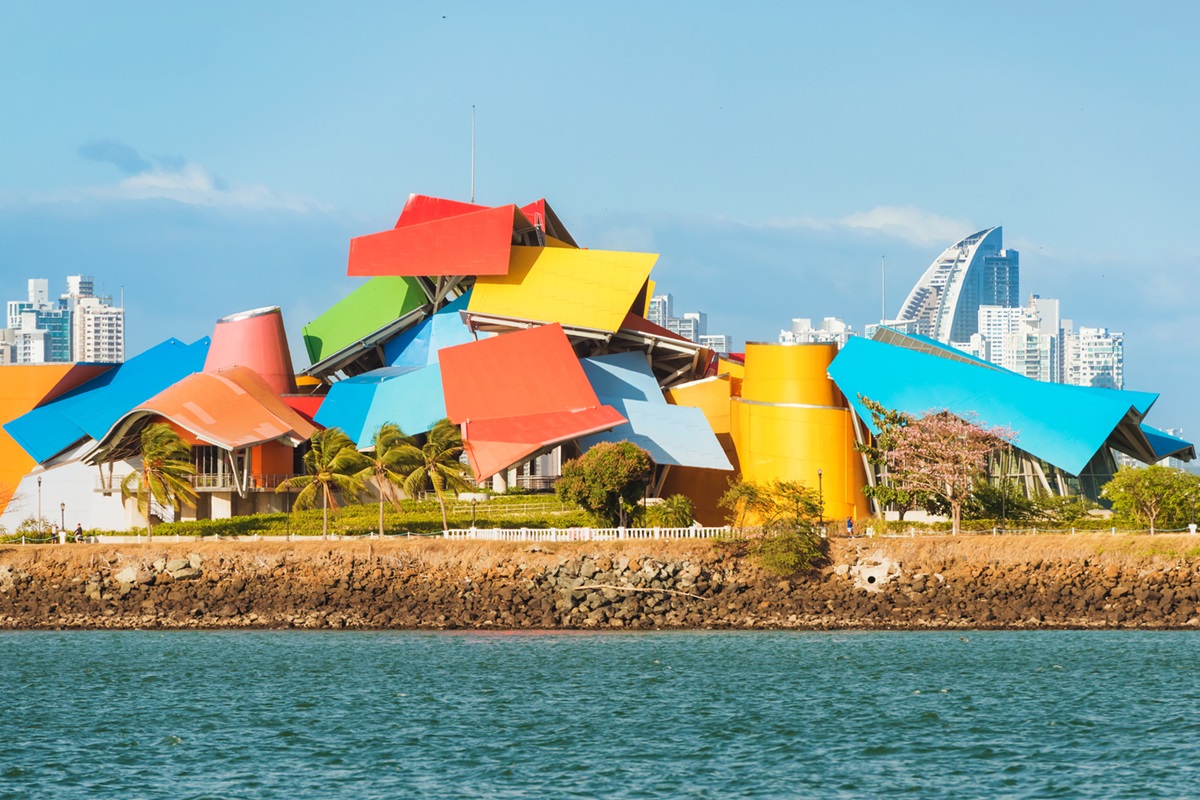
The colorful Biomuseo, designed by Frank Gehry on the Amador Causeway, remains one of Panama City’s most distinctive buildings.
Its eight galleries tell a bigger story: how the emergence of the Isthmus of Panama connected North and South America, separated two oceans and transformed ecosystems and climate patterns. Exhibits explore biodiversity, human history and the movement of species between the continents, while the surrounding Biodiversity Park extends the experience outdoors.
7. Panama’s food scene deserves more attention
Panamanian cuisine reflects the same cultural crossroads found throughout the country. Indigenous, Afro-Caribbean, Spanish and immigrant influences appear in dishes built around seafood, rice, plantains, corn and tropical ingredients.
The Mercado de Mariscos remains a classic stop in Panama City for ceviche and fresh seafood, but the capital’s dining scene now extends far beyond the market. Casco Antiguo, San Francisco and other neighborhoods offer everything from traditional cooking to contemporary interpretations of Panamanian ingredients. Tourism authorities increasingly promote gastronomy alongside the Canal, biodiversity and culture as part of the country’s visitor experience.
Panama’s growing tourism numbers suggest that more travelers are choosing to stay rather than simply connect through Tocumen. The Panama Stopover program alone brought more than 132,000 visitors during the first half of 2026, 38% more than during the same period in 2025.
For travelers, the attraction is straightforward: few destinations in the Americas allow you to experience a major international city, two coastlines, rainforest, Indigenous cultures, historic neighborhoods and highland landscapes within such short distances.
Portrait photo: Depositphotos.com




Trackbacks/Pingbacks