
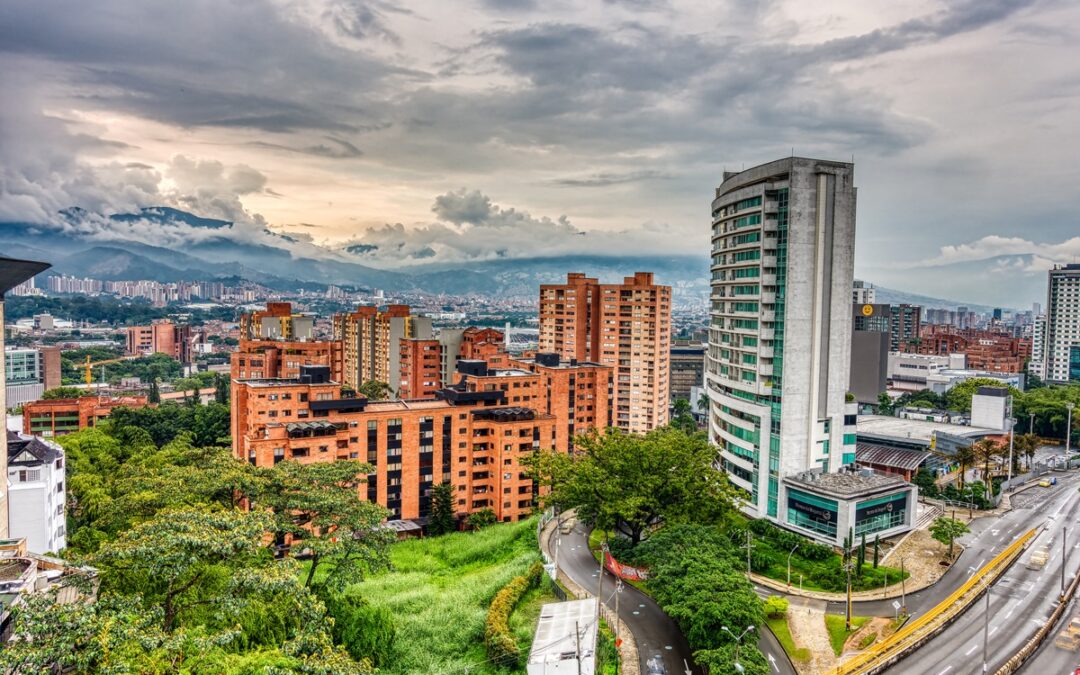
Medellín’s transformation has turned it into one of Latin America’s most compelling urban destinations. Set in the Aburrá Valley and surrounded by the green slopes of the Andes, Colombia’s second-largest city combines mild weather, efficient transportation, cultural energy and a strong sense of local identity.
The city is often promoted through its innovation, nightlife and modern architecture. Yet some of its most memorable experiences are found in places that reveal a quieter and more complex Medellín. Traditional dance halls, protected hills, memorial museums and historic cemeteries allow visitors to understand how the city preserves its heritage while confronting the difficult chapters of its past.
These places offer different ways to experience Medellín beyond its most familiar tourist attractions.
SALON MALAGA

Salón Málaga is one of Medellín’s most traditional cultural venues and an excellent stop for travelers interested in the city’s music, social customs and everyday life.
The atmosphere feels deliberately removed from contemporary nightlife. Reggaeton is absent, and even salsa can seem modern compared with the tango, porro and cumbia that dominate the room. Historic recordings, including music preserved on old 10-inch discs, help turn the venue into something between a bar, a dance hall and an informal museum.
Visitors can stop for coffee or beer, but the experience becomes livelier on Sundays, when dancers from across Medellín gather to enjoy traditional music.
Salón Málaga is also easy to include in a sightseeing itinerary because it is located close to San Antonio metro station. Travelers should visit with time to observe the photographs, recordings and decorations rather than treating it as a quick refreshment stop.
Related article: 10 Best Places To Visit in Colombia
CERRO EL VOLADOR
Cerro El Volador provides a welcome contrast to Medellín’s busy streets. Located near the geographical center of the city, this protected natural area preserves part of the vegetation that once covered much of the Aburrá Valley.
Despite its urban location, the hill feels surprisingly calm. Walking paths, green spaces and scenic viewpoints make it suitable for a morning hike, a relaxed picnic or a break from museums and commercial districts.
One of the main reasons to visit is the panoramic view. From the higher areas, travelers can appreciate Medellín’s unusual geography, with buildings spreading along the narrow valley and climbing toward the surrounding mountains.
Comfortable footwear, sun protection and water are advisable. Visiting during daylight hours also allows travelers to enjoy the landscape more fully.
HOUSE OF MEMORY MUSEUM

The House of Memory Museum offers one of the city’s most important cultural experiences. It examines the impact of Colombia’s armed conflict, drug trafficking and urban violence through the perspectives of victims and local communities.
This is not a lighthearted attraction. Its exhibitions encourage visitors to look beyond simplified stories about Medellín’s past and consider how violence affected families, neighborhoods and social relationships.
The museum also focuses on memory, resilience and the efforts made by residents to rebuild their city. For international visitors, it provides essential context for understanding why Medellín’s transformation carries such deep meaning.
Allow enough time to engage carefully with the exhibitions. Combining this visit with recreational attractions on another day may make the experience easier to process.
SAN PEDRO CEMETERY

San Pedro is far more than a cemetery. It also operates as a museum and cultural center, offering a distinctive combination of funerary art, architecture and historical memory.
Its elaborate tombs and monuments belong to prominent figures from Medellín’s past, including celebrated and controversial personalities. Cultural events and temporary exhibitions occasionally add another dimension to the visit.
The surrounding area is less tourist-oriented than other parts of the city, and access by public transportation may be less straightforward. Taking a taxi is often the most practical option.
Together, these four places reveal a Medellín shaped by music, nature, memory and history. They reward travelers willing to move beyond the usual itinerary and experience the city with greater curiosity and context.
Photo: Depositphotos




The mix of vibrant neighborhoods and breathtaking viewpoints makes Medellín feel much more varied than a typical city guide suggests. I especially liked the focus on seeing different sides of the “City of Eternal Spring,” since the best experiences often come from combining local culture with panoramic views.
Medellín’s mix of lively neighborhoods and scenic viewpoints sounds like the perfect way to experience the city beyond the usual tourist checklist. I especially liked the focus on how each place reveals a different side of the “City of Eternal Spring”—the contrast between urban energy and mountain views must be remarkable.
The mix of vibrant neighborhoods and panoramic viewpoints makes Medellín feel much more layered than a typical city guide suggests. I especially liked the focus on how each place reveals a different side of the “City of Eternal Spring”—it makes me want to plan a visit around both culture and scenery.
I like how this guide balances Medellín’s vibrant neighborhoods with breathtaking viewpoints instead of treating the city as just one type of destination. Framing each place as a different side of Colombia’s “City of Eternal Spring” makes the itinerary feel especially appealing for first-time visitors.