The Dominican Republic offers far more than a conventional Caribbean escape. Its appeal lies in the contrast between resort-lined beaches, historic neighborhoods, tropical forests and a cultural identity shaped by music, food and hospitality. Travelers can spend the morning swimming in transparent water, the afternoon exploring a colonial street and the evening listening to live bachata or enjoying the nightlife of a major tourism district.
Three destinations capture that diversity: Punta Cana, Santo Domingo and the Samaná Peninsula. Each presents a different side of the country and together they form an introduction for visitors seeking memorable experiences rather than a single type of vacation.
Much like how the camera phone changed photography, allowing everyone to capture and share moments instantly, casinos have evolved to embrace the digital age. With state-of-the-art technology, these establishments now offer a seamless blend of traditional gaming and cutting-edge experiences, providing visitors with a memorable and immersive atmosphere. So, while you venture through the captivating beauty of the Dominican Republic, don’t forget to try your luck at one of its lively casinos, where the allure of chance and the excitement of capturing unique memories intersect in a remarkable way.
Punta Cana, the Dominican Republic’s resort capital
Punta Cana has become the country’s best-known destination for a reason. Its long beaches, extensive hotel infrastructure make it especially attractive to travelers who value convenience, comfort and varied activities in one place.
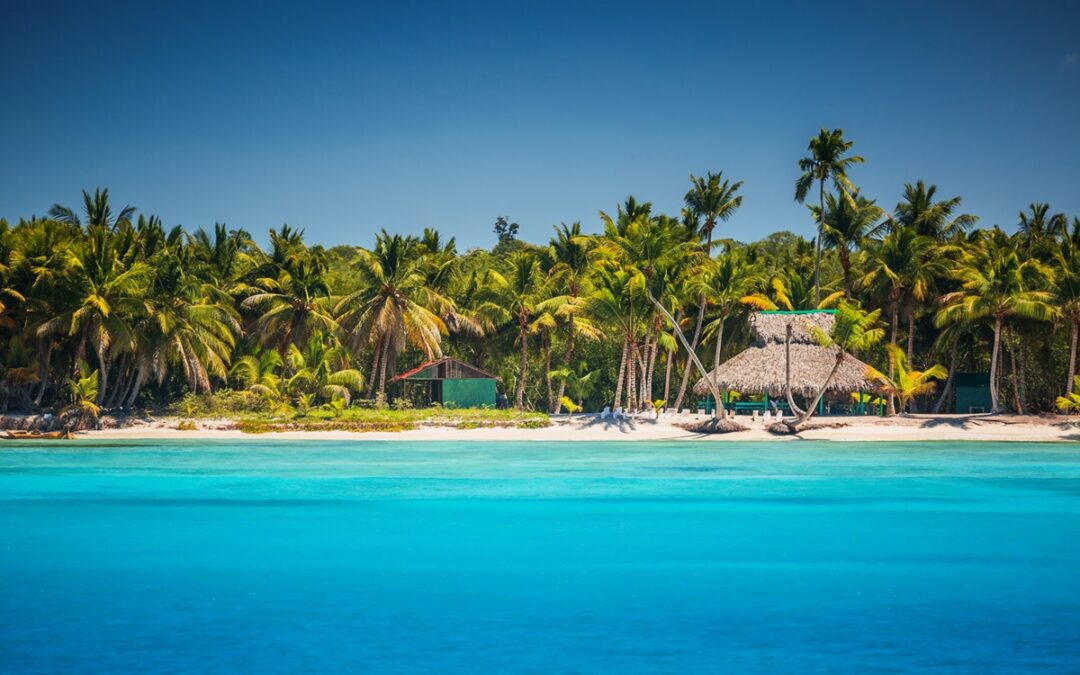
Bávaro Beach remains one of the region’s main attractions. The broad strip of sand and Caribbean water is suited to swimming, sunbathing and water sports. Yet Punta Cana is not limited to the beach. Excursions into natural areas allow visitors to experience caves, cenotes, tropical vegetation and adventure circuits.
Scape Park combines outdoor activities and natural scenery, including caves, freshwater pools and zip lines. Snorkeling trips and catamaran excursions provide another perspective of the coast, while windy areas near the eastern shoreline attract travelers interested in kite surfing.
The all-inclusive model remains central to Punta Cana, but visitors who stay entirely inside a resort risk missing part of the destination’s character. Local restaurants, artisan markets, music venues and guided excursions can provide a closer connection to Dominican culture.
Punta Cana also has a strong evening entertainment scene. Casinos, shows and hotel nightlife are common, within larger resorts. For travelers who enjoy gaming, these venues can complement the trip, although they should be treated as entertainment rather than its main purpose.
Santo Domingo, where history meets urban energy
Santo Domingo delivers a different experience. The capital is not primarily a beach destination. Its strength lies in its history, architecture, cultural life and urban movement.
The Zona Colonial is the heart of the visitor experience. Its stone streets, old churches, plazas and restored buildings preserve important traces of the early Spanish presence in the Americas. Walking through the district is the best way to appreciate its scale and atmosphere.
The Catedral Primada de América and the Alcázar de Colón are essential stops. Beyond their historical value, both help explain how Santo Domingo developed as a political, religious and commercial center during the colonial era.
Calle El Conde remains one of the recognizable pedestrian routes in the old city. Cafés, shops, street vendors and performers create a lively atmosphere, while nearby museums and cultural spaces provide more context for understanding the capital.
At night, Santo Domingo reveals its identity. Merengue and bachata are not presented only for visitors; they are part of the city’s social rhythm. Live music, restaurants and open-air venues make the capital an excellent place to experience Dominican culture beyond monuments and tours.
The city also offers modern shopping districts, restaurants, hotels and casinos. This mix of heritage and contemporary entertainment appeals to travelers who prefer active, culturally varied urban trips.
Samaná, nature on a more intimate scale
The Samaná Peninsula is ideal for visitors looking for landscapes and a slower pace. Its green hills, hidden beaches, waterfalls and marine environment create a sense of distance from the country’s busiest tourism centers.
One of the region’s best-known attractions is El Limón waterfall. Reaching it usually involves a guided hike or horseback ride through tropical terrain. The journey leads to a cascade surrounded by dense vegetation.
Whale watching is another defining activity. Between January and March, humpback whales arrive in Samaná Bay, creating one of the Caribbean’s most remarkable wildlife experiences. Responsible excursions allow travelers to observe the animals while respecting the marine environment.
Cayo Levantado is known for calm water, bright sand and a relaxed island setting. It is well suited to swimming and day trips, while seafood stands and coastal restaurants add a local culinary dimension.
Samaná rewards travelers willing to move beyond promoted routes. Small communities, scenic roads and quieter beaches offer a more personal view of the Dominican Republic.
One country, three distinct journeys
Punta Cana, Santo Domingo and Samaná represent three complementary ways to experience the country. Punta Cana excels in comfort and recreation. Santo Domingo offers history, culture and nightlife. Samaná delivers nature, wildlife and tranquility.
Together, they reveal why the Dominican Republic remains one of the Caribbean’s most versatile destinations. The best trip is not built around a single beach or hotel, but around the contrasts that define the country itself.
Photo of the portrait: Depositphotos